
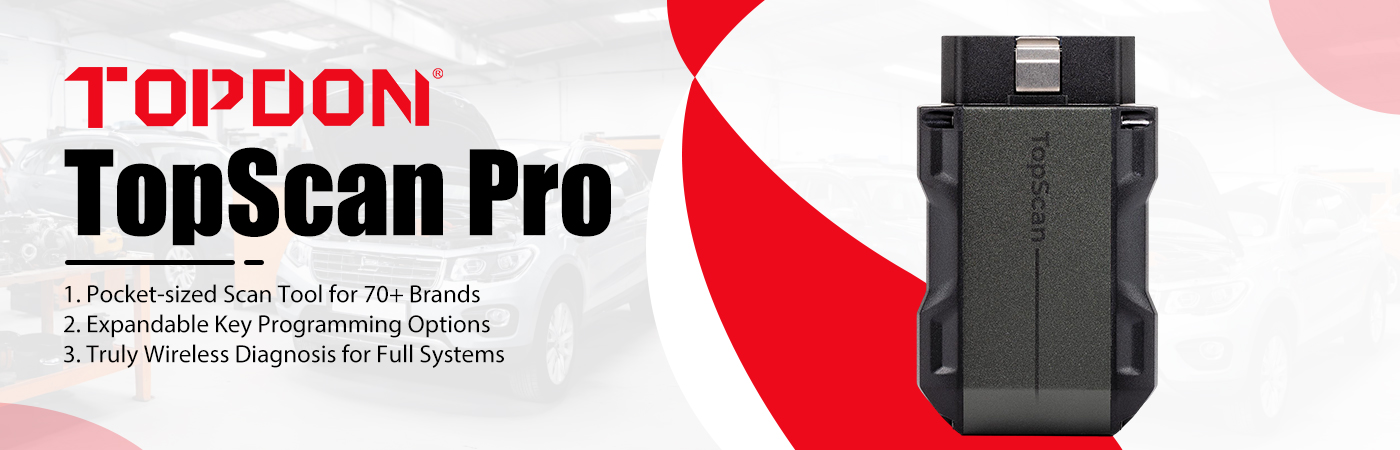

Both Topdon Phoenix Plus 2 and Launch X431 Pro5 devices offer advanced features like bi-directional controls, ECU coding, and extensive vehicle coverage. Which is better to choose from?
Overview of the Devices
The Topdon Phoenix Plus 2 is an upgraded version of the original Phoenix Plus, emphasizing reliability and extended battery life for prolonged use in busy workshops. It supports CAN-FD protocols for modern vehicles and includes over 41 maintenance functions, making it a versatile tool for diagnostics and repairs.
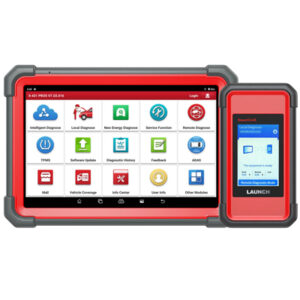
On the other hand, the Launch X431 Pro5 SmartLink stands out with its J2534 programming capabilities and SmartLink C VCI, which enables remote diagnostics and compatibility with DoIP and CAN-FD. It’s designed for professionals handling a wide range of vehicles, including heavy-duty options when paired with additional modules.
Below is a side-by-side comparison based on the latest specifications.
|
Feature
|
 |
Launch X431 Pro5 SmartLink
 |
|---|---|---|
|
Processor
|
4-Core 2.0GHz
|
2.0GHz 4-Core
|
|
RAM
|
4GB |
4GB |
|
Storage (ROM)
|
64GB
|
64GB
|
|
Operating System
|
Android 10.0
|
Android 10.0
|
|
Screen
|
10.1-inch LCD, 1280×800 resolution
|
10.1-inch IPS, 1280×800 resolution
|
|
Battery
|
12,600mAh / 3.8V (up to 20+ hours of use)
|
7,000mAh / 3.8V (up to 10 hours of use)
|
|
Camera
|
Rear: 8MP
|
Front: 5MP, Rear: 8MP
|
|
Connectivity
|
Wi-Fi (2.4 & 5GHz), Bluetooth 5.0, USB
|
Wi-Fi (2.4 & 5GHz), Bluetooth, USB, Ethernet (via SmartLink)
|
|
VCI (Interface)
|
MDCI VCI/Dongle with CAN-FD support
|
SmartLink C (3.5-inch screen, Cortex-A7+M7 processor, 256MB RAM, 8GB ROM)
|
|
Weight
|
1.56kg (3.42lbs)
|
Approximately 1.5kg (tablet only)
|
|
Dimensions
|
10.92 x 7.51 x 1.75 inches
|
10.1-inch tablet (exact dimensions similar)
|
The Topdon Phoenix Plus 2 edges out in battery capacity, offering nearly double the runtime, which is ideal for all-day diagnostics without frequent charging. In contrast, the Launch X431 Pro5’s SmartLink C VCI is more advanced, featuring its own display and Linux OS for standalone operations, enhancing remote diagnostics.
Key Differences in Features and Software
Beyond hardware, these tools shine in their diagnostic prowess. The Phoenix Plus 2 supports over 160 vehicle brands and 41+ maintenance functions, including advanced ECU coding for customization like enabling hidden features. It excels in bi-directional testing for components like actuators and sensors, and its wireless diagnostics streamline workflows.The Launch X431 Pro5 SmartLink, however, takes versatility further with J2534 pass-thru programming, allowing direct ECU flashing for brands like BMW and Mercedes (though limited compared to higher-end models). It also supports heavy-duty vehicles via optional modules and offers superior online programming for fewer brands but with deeper integration.
For workshops dealing with European and Asian vehicles, the Topdon might feel more intuitive, whereas Launch’s broader protocol support (including DoIP) suits mixed fleets.
Pros and Cons
Topdon Phoenix Plus 2
- Pros: Exceptional battery life, affordable updates (2 years free), user-friendly interface, strong CAN-FD support, great technical support.
- Cons: no front camera. does not support online programming (need Phoenix Smart/Max devices)
Launch X431 Pro5 SmartLink
- Pros: Advanced VCI for remote work, J2534 compatibility, excellent for heavy-duty add-ons.
- Cons: Shorter battery life, potentially higher subscription costs after initial free period.
Which One Should You Choose?
They both have their pros and cons Topdon has great tech support and is user-friendly. The launch X431 Pro 5 has better OE-level programming and can be harder to use with the
ComPlex software. They’re both very great tools.
If battery endurance and cost-effectiveness are priorities for a high-volume shop, the Topdon Phoenix Plus 2 is a solid pick. For those needing advanced programming and remote diagnostics across diverse vehicles, the Launch X431 Pro5 SmartLink provides more future-proofing. Both are reliable investments, but always check current pricing and software updates, as the automotive diagnostics landscape evolves rapidly.In summary, while hardware similarities abound, the Phoenix Plus 2 prioritizes stamina and simplicity, and the Pro5 emphasizes connectivity and expandability. Whichever you select, these tools represent the cutting edge of OBD-II scanning in 2026.