
Topdon Tornado 120000 vs. Autool EM385: Which Battery Charger and Power Supply is the Better Choice?
|
Feature
|
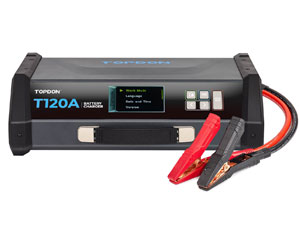 |
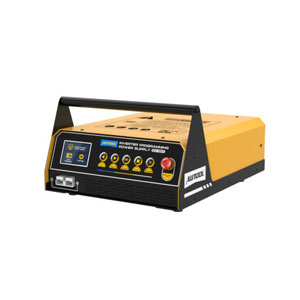
Autool EM385
 |
|---|---|---|
|
Price
|
$769-$829
|
$536-$670
|
|
Output Voltage Range
|
11-16.8V (adjustable)
|
9-16V (adjustable; 3-8.9V for low-voltage charging)
|
|
Charging Current
|
5-120A
|
1-100A (9-16V); 1-20A (3-8.9V)
|
|
Programming Current
|
Up to 120A (stable supply)
|
Up to 150A
|
|
Max Power
|
1700W
|
Not specified (high-power modes up to 150A)
|
|
Jump Start Capability
|
No
|
Yes (400A peak for engines up to 3.0L)
|
|
Battery Compatibility
|
12V lead-acid (Wet, Gel, MF, EFB, AGM, CAL, VRLA); 12V LiFePO4; 20-3700Ah capacity
|
Lead-acid (Standard, AGM Flat/Spiral, EFB, GEL); Lithium (LFP, NCM)
|
|
Display
|
Dot-matrix LCD screen
|
3.4-4.3″ color touchscreen (12 languages)
|
|
Dimensions (approx.)
|
19.1″ x 14″ x 10.4″ (package)
|
16″ x 12″ x 7″ (product); 19.3″ x 14.6″ x 10.3″ (package)
|
|
Weight
|
~24 lbs (estimated based on similar models)
|
22 lbs
|
|
Cable Lengths
|
AC: 6.6 ft; Clamps: 16 ft (optional)
|
Output: 6.5 ft (copper)
|
|
Protections
|
8 (reverse polarity, short circuit, spark, overheat, overvoltage, overcharge, etc.)
|
9 (emergency stop, short circuit, overheat, over/under voltage, reverse polarity, etc.)
|
|
Warranty
|
1 year
|
3 years + lifetime tech support
|
|
Other Features
|
9-step smart charging with desulfation; Custom mode; PC app for reports; Dead battery mode (6V)
|
Multi-stage smart/pulse charging; Vehicle display mode (auto-restart); Battery repair; Dual fans
|
Charging and Battery Maintenance:
Both units excel at smart charging, but the Topdon Tornado 120000 takes the lead in raw power with its 120A max current and 1700W output, making it ideal for large batteries (up to 3700Ah) or quick top-ups on heavy-duty vehicles like trucks or boats. Its 9-step process includes desulfation for reviving sulfated batteries and a custom mode to save personalized profiles—perfect for technicians handling diverse fleets. The Autool EM385 counters with more versatile low-voltage support (down to 3V) and pulse charging for efficiency, plus a dedicated battery repair mode for deeply discharged cells. It also shines in multi-stage smart charging that auto-adjusts from high-power bursts to trickle maintenance, preventing overcharge. If you’re working with modern lithium batteries (including NCM types in EVs), the EM385’s broader compatibility gives it an edge.
ECU Programming and Stable Power Supply:
This is where both devices truly overlap—and compete fiercely. The Topdon’s 11-16.8V range and rock-solid voltage stability (with <5mA back drain) make it a favorite for diagnostic sessions on luxury brands like BMW or Mercedes, ensuring no power dips during flashes. Users praise its precision for electronic load testing.The Autool EM385 matches this with a wider 9-16V range and up to 150A in programming mode, explicitly tested with tools like BMW’s ISTA+. Its vehicle display mode provides uninterrupted power with auto-restart if the AC cuts out—handy for showrooms or long programming jobs. The adjustable voltage/current sliders allow fine-tuning on the fly via the touchscreen.
Jump Starting and Portability:
Here’s a clear differentiator: The EM385 includes a 400A jump-start mode for engines up to 3.0L, adding emergency utility that the Topdon lacks. Both are hefty (around 22-24 lbs), but the EM385’s aluminum case and insulated handle make it slightly more shop-friendly. The Topdon’s longer clamp cables (up to 16 ft) are a boon for reaching awkward battery locations.
Pros and Cons
Topdon Tornado 120000
Pros:
Superior max charging power (120A/1700W) for faster sessions on big batteries.
Customizable modes and PC app integration for detailed reporting.
Proven stability for high-end diagnostics.
Excellent build quality with IP20 housing.
Cons:
Higher price point with fewer bundled features (no jump start).
LCD screen feels dated compared to touch interfaces.
Limited lithium support (only LiFePO4).
Autool EM385Pros:
Better value at nearly half the price, with a longer warranty.
Broader voltage range and lithium compatibility (LFP/NCM).
Jump-start functionality and touchscreen for intuitive use.
More protections and real-time monitoring.
Cons:
Slightly lower max charging current (100A vs. 120A).
Newer model means fewer long-term reviews.
Fans can be audible during heavy use.
User Reviews and Real-World Performance:
Feedback on the Topdon Tornado 120000 is glowing but sparse— highlighting its “consistent power” for electrical diagnostics and ease with “any current auto battery type.”
noting reliable performance after months of use in professional settings. It has faultless” operation after a year.
The Autool EM385 fares well for maintaining power without fluctuations, while another appreciated the touchscreen’s responsiveness. Minor gripes include setup learning curves, but overall satisfaction is high for its price.
Which One Should You Choose?
Pick the Topdon Tornado 120000 if: You’re a pro needing maximum power (120A/1700W) for large or specialty batteries, and ECU stability is paramount. If your workflow demands ultra-high current or custom reporting, splurge on the Topdon. It’s built like a tank for daily shop abuse, but the premium price reflects that—ideal if budget isn’t tight.
Pick the Autool EM385 if: Value and versatility matter most. It punches above its weight with jump-starting, wider battery support, and a modern touchscreen. It’s the smarter all-rounder for mixed-use garages or those dipping into lithium tech.